
2026 Annual Israel Magnetic Resonance Meeting
09:00 AM – 6:00 PM on 01 March 2026
Invited Speaker
Following the charge separation process in organic photovoltaics using ESR and EDMR spectroscopy
Jack Palmer, Lorenzo Catini, Claudia Tait
Department of Chemistry, University of Oxford, South Parks Road, Oxford, OX1 3QZ, United Kingdom
Organic photovoltaics offer a promising route towards clean and sustainable energy production. The performance of organic photovoltaic devices critically depends on the choice of donor and acceptor molecules, creating opportunities for the rational design of high-efficiency materials tailored to specific applications. Realising this potential, however, requires an in-depth understanding of the fundamental mechanisms underlying light-to-electricity conversion.
Spin states and spin-dependent processes play a central role in charge generation and recombination in organic photovoltaics, rendering electron spin resonance (ESR) techniques particularly well suited to provide additional insights into the photovoltaic energy conversion mechanism.
This talk will focus on a comprehensive investigation of a series of donor:acceptor systems for organic photovoltaics. Using transient and pulsed ESR in combination with electrically detected magnetic resonance (EDMR), we track the formation, evolution and decay of charge carriers via their spin signatures. Transient ESR spectroscopy combined with theoretical modelling and simulation allows us to identify different charge separation pathways as well as re-encounter of separated charges. Complementary EDMR experiments on fully assembled miniature devices provide insight into spin-dependent recombination processes of separated charge carriers and help identify performance-limiting loss channels. Together, these results illustrate how electron spin resonance offers an additional perspective on charge separation and recombination, contributing to an improved mechanistic understanding of organic photovoltaic materials.

Invited Speaker
Discovering and characterizing conformational functionality in a seemingly rigid toxin inhibitor
Chen Timsit¹, Inbal Sher¹, Chaitanya Chiliveri², Adriaan Bax², Dan Major¹, Jordan Chill¹
¹ Department of Chemistry, Bar Ilan University, Ramat Gan, Israel
² NIDDK, National Institutes of Health, Bethesda MD, USA
The structure-function dogma has traditionally emphasized the critical correlation between static conformations of proteins and biological function. However, there is now overwhelming evidence that protein dynamics are often a significant factor in biology. Consequently, there is an increased interest in disordered protein segments and lowly populated conformations, a paradigm shift which places NMR methodologies at the forefront of such mechanistic studies. Here we use two approaches, relaxation dispersion NMR (RD-NMR) and NMR under hydrostatic pressure (hpNMR) to follow conformational exchange in a family of toxins of marine origin. Although surprising at first sight, since these are small compact domains (35 amino acids, 3 disulfide bonds) that inhibit ion conduction in potassium channels, we have previously shown that the prototypical ShK toxin presents a lowly populated minor conformation with an estimated lifetime of 0.2-0.5 ms. Furthermore, static toxin structures fail to explain the established role of key residues in channel inhibition, hinting to a potential contribution of dynamics to binding. Under the supported assumption that the cross-linking disulfide bonds contribute to the observed dynamics and in the context of metadynamics/metainference MD trajectories of these toxins we analyze RD-NMR and hpNMR experiments to understand how conformational dynamics may account for toxin binding modes and even their channel selectivity profiles. This is an excellent example of how seemingly structured domains harbor latent dynamics with functional implications, also demonstrating unique abilities of NMR to address protein dynamics.

Invited Speaker
Pulse Sequence Optimization for DNP and NMR
Matthias Ernst
D-CHAB, ETH Zürich, Zürich, Switzerland
Pulse sequence optimization in NMR has traditionally been based on state-to-state transfer (optimal control) by optimizing the final density operator. Based on continuous Floquet Theory, we propose an alternative method where we optimize the effective Hamiltonian that is generated by the pulse sequence. We show that such an approach allows a smooth transition from the resonant to the non-resonant case and reproduces exact numerical simulations quite well. We show first results for experimental verification of such sequences in the field of pulsed DNP and homonuclear polarization transfer.
Invited Speaker
Expanding the Magnetic Resonance Toolbox for Understanding Interfaces
Michal Leskes
Department of Molecular Chemistry and Materials Science, Weizmann Institute of Science, Rehovot, Israel
Interfaces and buried interphases play a crucial role in the function of many technologically relevant materials. NMR can in principle provide valuable information about interfacial chemistry, composition and dynamics, yet it is often limited in sensitivity or selectivity in their detection. In this talk I will present some of the methods we have recently implemented to gain a holistic understanding of the electrode-electrolyte interface in rechargeable batteries. These include exchange saturation transfer experiments used to detect invisible environments with high sensitivity and determine ion adsorption processes across solid-liquid interfaces, as well as solid-solid interfaces where charge transfer occurs. These methods allow us to understand the functionality of battery interfaces. When coupled with dynamic nuclear polarization, particularly from endogenous polarization agents, we are also able to selectively probe the relevant chemical environments that play a role in these charge transfer processes. I will show how this toolbox provides unique molecular level insight which can be used to design the next generation of battery materials.
Invited Speaker
Chemical hydrodynamics of nuclear spin states
Ilya Kuprov
Department of Chemical and Biological Physics, Weizmann Institute of Science, Rehovot, Israel
Fundamental equations of motion in quantum mechanics of isolated systems and ensembles are required (by causality and time translation invariance), to be linear with respect to state descriptors, such as wavefunctions and density matrices. However, the law of mass action in chemical kinetics and Navier-Stokes equations in hydrodynamics are not fundamental; they are statistical approximations, and therefore at liberty to be non-linear with respect to concentrations.
This incompatibility creates insidious difficulties in theoretical descriptions of systems where quantum processes coexist with chemical kinetics and spatial transport, notably in spin chemistry, magnetic resonance imaging (MRI) of complex metabolic and hydrodynamic processes, and – our predicament here – nuclear magnetic resonance (NMR) in microfluidic chips. The problem involves a collision of approximations at the interface of classical and quantum physics broadly similar to the measurement paradox – although the concentration and the wavefunction amplitude square are both probability densities, one has a specific measurement outcome but the other does not. The general case has no solution, but one can adopt a simplification from condensed phase NMR and assume that nuclear spin processes are influenced by spatial dynamics and chemistry, but that there is no back action because nuclear spin interaction energies are very small.
I will report our progress with this problem in the context of nuclear magnetic resonance, where a good approximate solutions exist because nuclear spin states do not influence hydrodynamics or chemical kinetics. We found numerically stable solution methods for problems involving simultaneous non-linear kinetics, diffusion, flow, and quantum mechanical evolution in non-trivial spin systems. The results are used to model magnetic resonance spectroscopy and imaging in microfluidic chips.
[https://www.science.org/doi/10.1126/sciadv.ady9103]
Invited Speaker
Molecular Mechanisms of DNAJC12 - from Structure and Dynamics to Disease
Rina Rosenzweig
Department of Chemical and Structural Biology, Weizmann Institute of Science, Rehovot, Israel
Molecular chaperones are a diverse group of proteins vital to defending cells from the dangers of protein misfolding and aggregation, phenomena implicated in a host of debilitating human conditions. Chaperones perform this protective function by facilitating proper protein folding and assembly, refolding misfolded proteins, preventing and even reversing aggregation, and delivering irreparably damaged proteins for disposal. It is therefore not surprising that genetic mutations in chaperone proteins are implicated in multiple human disorders, including neurodegeneration, myopathies, metabolic disorders, and even cancer. Despite their central role, the large size and the dynamic transient nature of many chaperones have long obscured our understanding of how such mutations affect chaperones’ structure and functions, leading to disease.
Here, we demonstrate how advanced NMR combined with biophysical and biochemical assays, can unveil the mechanism of chaperone function and decipher the core of their malfunction in disease. We focus on DNAJC12, a ~700 kDa JDP chaperone whose mutations were recently identified in patients with hyperphenylalaninemia (HPA), the most common inherited metabolic disorder. Using methyl-TROSY NMR, including measurements of spin relaxation rates, we define the structural features of DNAJC12 and show how it stabilizes its client phenylalanine hydroxylase (PAH) to prevent misfolding. Our data reveal how pathogenic DNAJC12 mutations compromise this chaperone–client cycle, providing a mechanistic link between protein misfolding and the development of HPA.
Invited Speaker
Standardization of Myelin Mapping in the Brain’s White Matter: A Statistical Approach for Multi-Component Analysis of MRI Signals
Noam Ben-Eliezer
Department of Biomedical Engineering, Faculty of Engineering, Tel Aviv University, Tel Aviv, Israel;
Sagol School of Neuroscience, Tel Aviv University, Tel Aviv, Israel;
Center for Advanced Imaging Innovation and Research (CAI2R), New York University School of Medicine, NY, USA
Myelin is one of the key constitutes of the central nervous system and is involved in numerous developmental and neuropathological processes. Noninvasive assessment of myelin content and integrity, however, is highly challenging with no gold standard available to date.
Multi-component (mc) deconvolution of MRI signals, and specifically T₂ relaxation times (mcT₂), is the most common and efficient approach for quantifying myelin in vivo. The approach is based on separating the signal within each voxel into a series of signals, each originating from a distinct cellular compartment. The fast-relaxing T₂ component is, in this case, associated with water residing between myelin sheaths, and provide an indirect measure of myelin content. Notwithstanding its popularity, this approach is highly ill-posed due to ambiguities in the multi-dimensional (6D) solution space of mcT₂ fitting and the low SNR that characterizes MRI signals.
In this talk I will present a new data-driven approach to mcT₂ analysis, which harnesses information from the entire white matter and the power of statistics to overcome the inherent instability of classical mcT₂ fitting. This stabilizes the process of myelin quantification, and can improve the analysis of microstructural tissue compartmentation in general.
The utility of the new approach will be presented using computer simulations, a unique multicomponent phantom design, mice models of demyelination, as well as healthy subjects and people with Multiple Sclerosis.
Invited Speaker
THz-EPR for Magneto-Structural Correlations in Transition Metal and Main Group Triplet States
Alexander Schnegg
Max-Planck-Institute for Chemical Energy Conversion, D-45470 Mülheim an der Ruhr, Germany
EPR provides insights into the electronic structure of paramagnetic transition metal and main group complexes via their spin Hamilton parameters. Heavier elements exhibit significant spin-orbit coupling (SOC), which leads to pronounced magnetic anisotropies that make characterisation with conventional EPR difficult. This is particularly true for integer spin states. For investigations in high-spin states with very large magnetic anisotropies, we have developed a magneto-optical THz-EPR spectrometer equipped with a 12-T magnet and operating in a spectroscopic range from 100 GHz (3 cm⁻¹) to 180 THz (6000 cm⁻¹). For investigations of highly reactive, light-generated complexes, light sources enable excitation in the spectrometer.
Here we report on the determination of the triplet g- and ZFS values of a three-coordinate Fe(0) complex. We outline how the anisotropy of the ZFS- and g-tensors reflect the degree of ground-state degeneracy in low coordinate complexes[1]. In addition, we demonstrate the determination of the magnetic properties of stable and light-generated subvalent main group compounds with oxidation states below their normal group oxidation state[2-4]. These compounds form highly reactive, transient triplet states as important reaction intermediates. Due to their transient nature and large magnetic anisotropies, the heavy homologues of these compounds frequently escape characterization with conventional magnetic characterization techniques. We demonstrate that THz-EPR can close this gap even for the novel classes of heavy organo and metallo pnictinides and thus provide clear evidence of their triplet character.
[1] W. Chen; N. Kochetov; T. Lohmiller; Q. Liu; L. Deng; A. Schnegg; S. Ye, A Spectroscopic Criterion for Identifying the Degree of Ground-Level Near-Degeneracy Derived from Effective Hamiltonian Analyses of Three-Coordinate Iron Complexes. JACS Au 2025, 5, 1016.
[2] M. Amann; M. Drosou; T. Al Said; A. Allgaier; Y. Kutin; P. W. Antoni; J. J. Holstein; M. Kasanmascheff; J. van Slageren; A. Schnegg; D. A. Pantazis; M. M. Hansmann, Triplet Metallovinylidenes of Palladium and Platinum Based on a Chelating P/Diazoalkene Ligand. Angew. Chem., Int. Ed. 2026, 65, e16032.
[3] M. C. Neben; N. Wegerich; T. A. Al Said; R. R. Thompson; S. Demeshko; K. Dollberg; I. Tkach; G. P. Van Trieste, III; H. Verplancke; C. von Hänisch; M. C. Holthausen; D. C. Powers; A. Schnegg; S. Schneider, Transient Triplet Metallopnictinidenes M–Pn (M = PdII, PtII; Pn = P, As, Sb): Characterization and Dimerization. J. Am. Chem. Soc. 2025, 147.
[4] T. Al Said; D. Spinnato; K. Holldack; F. Neese; J. Cornella; A. Schnegg, Direct Determination of a Giant Zero-Field Splitting of 5422 cm⁻¹ in a Triplet Organobismuthinidene by Infrared Electron Paramagnetic Resonance. J. Am. Chem. Soc. 2025, 147, 84.
Talk
Driven spin-locked systems for quantum technology
Alon Salhov, Sagi Nechushtan, Alex Retzker
Racah Institute of Physics, The Hebrew University of Jerusalem, Jerusalem, Israel
Driven spin-locked systems have recently been utilized for several quantum technological applications, including fast two-qubit gates in trapped-ion processors, extended-range quantum sensing with diamond nitrogen-vacancy centers, and magic-angle decoupled atomic clocks. However, the drive protocols employed in these schemes introduce counter-rotating terms (e.g., Bloch-Siegert shifts) in the second rotating frame, which degrade their performance.
In this talk, I will present a control protocol that eliminates these terms and delivers substantial improvements in the relevant performance metrics, namely, the quantum gate fidelity, sensor sensitivity, and clock coherence time. In addition, I will present a Floquet-based coherence time formula that enables the analytical optimization of drive parameters.
I will conclude by discussing how this work exemplifies the exciting synergy between the magnetic resonance and quantum information communities, where fundamental spin physics drives technological innovation.

Talk
Integrating EPR and Solid-State NMR to Reveal Na⁺ Storage Mechanisms in Aqueous Sodium-Ion Batteries
Ananya Pal, Daphna Shimon
Institute of Chemistry, The Hebrew University of Jerusalem, Jerusalem, Israel
The growing demand for sustainable and safe energy‐storage technologies has intensified global interest in aqueous sodium-ion batteries, which offer inherent safety, low cost, and environmental compatibility. Hierarchical porous carbons (HPCs) have emerged as promising anode materials due to their tunable mechanical and electronic properties, and high surface area. However, the fundamental understanding of sodium storage mechanisms in such complex carbon frameworks remains limited.
Here, we employ solid-state magic-angle spinning nuclear magnetic resonance (MAS-NMR) as a powerful probe to elucidate the local chemical environment of sodium ions confined within the pores of HPCs. The observed chemical shifts in MAS NMR directly reflect the interaction of sodium ions with different carbon domains, pore environments, and defect sites. To complement the NMR findings, electron paramagnetic resonance (EPR) spectroscopy is utilized to investigate the paramagnetic nature of the carbon matrix. The T₂ relaxation time is highly sensitive to interspin distances. Therefore, systematic variations in linewidth provide insight into the nature of Na⁺–carbon interactions, enabling differentiation between weakly adsorbed Na⁺ ions and strongly interacting sodium species within the HPCs.
In this work, integrated MAS-NMR, EPR, and electrochemical analyses reveal a clear, potential-driven Na⁺ storage pathway. collectively reveals that the charge-storage process in CHBC follows a sequential process: Initially, Na⁺ ions adsorb onto the electrode surface through SEI formation, followed by adsorption at graphene edge sites and insertion into nanopores, and finally, intercalation of Na⁺ ions between graphene-graphene interlayer spaces These findings provide molecular-level insight into sodium storage in HPCs and offer guidance for the rational design of advanced carbon anodes for aqueous sodium-ion batteries.

Talk
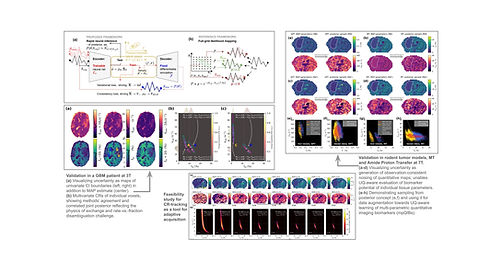
Multi-Parameter Uncertainty Mapping in Quantitative Molecular MRI using a Physics-Decoded Variational Autoencoder
Alex Finkelstein¹, Ron Moneta¹ʼ², Or Zohar³, Michal Rivlin¹, Moritz Zaiss⁴ʼ⁵, Dinora Friedmann Morvinski²ʼ³, and Or Perlman¹ʼ²
¹School of Biomedical Engineering, Faculty of engineering, Tel Aviv University, Tel Aviv, Israel.
²Sagol School of Neuroscience, Tel-Aviv University, Tel-Aviv, Israel.
³School of Neurobiology, Biochemistry & Biophysics, Faculty of Life Sciences, Tel-Aviv University, Tel-Aviv, Israel
⁴Institute of Neuroradiology, Friedrich-Alexander Universität Erlangen-Nürnberg (FAU), University Hospital Erlangen, Erlangen, Germany
⁵Department of Artificial Intelligence in Biomedical Engineering, Friedrich-Alexander Universität Erlangen-Nürnberg, Erlangen, Germany
Quantitative molecular MRI maps tissue properties by probing non-water protons, such as those involved in Chemical Exchange Saturation Transfer (CEST) and Magnetization Transfer (MT). This enables non-invasive mapping of chemical environments, including pH-sensitive exchange rates and protein concentrations - key indicators of tumor response - extracted through biophysical modeling of spin dynamics. This "inverse problem" is ill-posed and compute-intensive. While Neural Networks (NNs) offer acceleration, they often prioritize smoothness over physical consistency, making Uncertainty Quantification (UQ) essential for reproducibility and trust towards clinical translation.
We present a rigorous Bayesian framework for molecular quantitative MRI (qMRI) that replaces point estimates with full posterior probability distributions. As brute-force computation fails to scale, we developed a novel NN architecture designed to approximate the posterior distribution - and derived multivariate Confidence Regions (CRs) or Intervals (CIs) - at an orders-of-magnitude speed-up.
The method was validated across multiple protocols using snapshot readouts of off-resonant saturation experiments (varying B1 and frequency offsets). Testing included in vitro phantoms and in vivo data from rodents (7T) and humans (3T; multi-site data from Tel-Aviv and Erlangen). On a standard GPU, the NN processes a high-resolution 3D volume (>10^5 voxels) in approximately one second. We demonstrate that predicted CRs agree with the reference method and reflect the underlying physics of the CEST/MT exchange models. We show how real-time tracking of CR shrinkage while scanning could enable adaptive acquisition, e.g., reducing total scan time by terminating at convergence. Conclusion: The framework transforms NN usage in qMRI from a potential liability into a robust asset, by providing UQ alongside rapid inference; it is applicable to any high-throughput biophysical inversion.
Talk
Photonic Band-Gap Resonators Design for High-Field Electron Paramagnetic Resonance
Amit Israelstam, Alexander B. Fialkov, Alexander A. Nevzorov, and Ilia Kaminker
School of Chemistry, Faculty of Exact Sciences, Tel-Aviv University, Israel.
High-field Electron Paramagnetic Resonance (EPR) spectroscopy (≥ 7T, ≥ 200GHz) provides enhanced sensitivity and g-tensor resolution, and reduced spectral congestion compared to conventional low-field EPR. However, the broader application of high-field EPR remains constrained by the limited availability of mm-wave power and is often exacerbated by the use of non-resonant setups, further limiting the available mm-wave (mmW) magnetic fields (B₁).
Resonant structures can enhance the B₁ at the sample, thereby improving sensitivity under power-limited conditions. Photonic band-gap resonators (PBGRs) offer a scalable solution for enhancing the mmW B₁ at high frequencies. These resonators are formed by introducing lattice defects into periodic structures composed of low-loss dielectric materials[1], enabling strong confinement of mm-wave radiation (inset in Fig. 1A). By positioning the sample at a magnetic-field maximum and an electric-field node, PBGRs minimize dielectric losses while supporting larger sample volumes than single-mode resonators.
Here, we report the design, optimization, and experimental performance of PBGR at 7T (194GHz) and 14T (388GHz) implemented on a home-built high-field EPR spectrometer[2]. At 7T (194GHz) we demonstrate 750-fold signal enhancement for BDPA and 43-fold improvement in SNRs for CVD diamond (Fig.1A) at 10 K and room temperatures (RT). For the 14T (388 GHz) implementation, we achieved a 10-fold enhancement in B1 relative to a non-resonant configuration (Fig. 1B) in RT experiments.
1. S. Milikisiyants, A. A. Nevzorov, and A. I. Smirnov, JMR, 2018, vol. 296, pp. 152-164
2. O. Nir-Arad, D. H. Shlomi, A. Israelstam, T. Amit, N. Manukovsky, A. B. Fialkov, and I. Kaminker. JMR, 2024, vol. 360, p. 107635.

Flash talk + Poster
Pushing the Boundaries of High Field ¹⁹F Overhauser Dynamic Nuclear Polarization
Tamar Wolf¹, Marina Bennati² and Ilya Kuprov¹
¹ Department of Chemical and Biological Physics, Weizmann Institute of Science, Rehovot, Israel
² Research Group EPR Spectroscopy, Max Planck Institute for Multidisciplinary Sciences, Göttingen, Germany
High-field Overhauser effect dynamic nuclear polarization (OE-DNP) is a powerful tool for addressing a broad range of structural and dynamical questions that are currently inaccessible due to the inherently poor sensitivity of NMR. Among potential target nuclei, fluorine-19 (¹⁹F) is particularly attractive due to its unique relevance to pharmaceutical and biomedical applications. Signal enhancements of up to ~20 for ¹⁹F at 9.4 T have been demonstrated, with the efficiency of polarization transfer shown to depend strongly on the choice of polarizing agent (PA), molecular site, and solvent. A detailed mechanistic understanding of ¹⁹F OE-DNP is therefore essential for its optimization and broader implementation.
Here, we present a mechanistic investigation of ¹⁹F OE-DNP based on numerical calculations informed by molecular dynamics simulations. Focusing on a model system consisting of a radical dissolved in hexafluorobenzene (HFB), we explore the timescale of isotropic hyperfine coupling fluctuations, with emphasis on the pico- to sub-picosecond range, that are expected to drive the high-field polarization transfer process.
Flash talk + Poster
Prethermalization in a tube of water: Dynamic phase transitions in steady-state NMR induced by nonlinear radiation damping effects
Dmitrii Aleshin and Lucio Frydman
Department of Chemical and Biological Physics, Weizmann Institute of Science, Rehovot, Israel.
Prethermalization is a phenomenon whereby a periodically-disturbed system reaches a quasi-steady-state equilibration, that is different from its thermal equilibrium[1]. We discuss one of the simplest systems capable of supporting such behavior, entailing the application of steady-state free precession (SSFP) NMR on a water sample. SSFP is commonly used on water–e.g. in cardiac MRI[2]– where it has always been treated in the linear regime. As shown by Carr[3], the magnetization will then converge to a unique steady state determined by the flip angle, offset and the T₁/T₂ ratio. However, it is hereby shown that the interaction between water’s transverse magnetization and the detection circuit—which leads to radiation damping (RD) effects[4]—introduces nonlinear feedback that can fundamentally modify SSFP dynamics. It is shown theoretically and experimentally that in such cases two qualitatively distinct SSFP regimes may arise: a prethermal one dominated by RD, and the one predicted by Carr. The transition between these regimes corresponds to a dynamical bifurcation[5], possessing a dependence on offset and flip angle (Fig.1), as well as on repetition time that is absent in conventional SSFP. The associated transition time increases asymptotically with respect to control parameters, a hallmark of nonlinear systems. Consequences of such observable effects are discussed.
Acknowledgements: We are grateful to Ms. Rinat Malis (Open U) and Prof. Daniel Abergel (ENS-Paris) for valuable discussions. DA acknowledges a Chemistry Dean and Israel Ministry of Absorption(№151989) postdoctoral fellowships. This work was supported by the Israel Science Foundation(grant 1874/22) and ERC Advanced Grant Project 101200719 “SteadyNMR”.
(1) Beatrez et al., Phys.Rev.Lett. 127,170603(2021)
(2) Wikipedia: Steady-state free precession imaging
(3) Carr, H.Y., Phys.Rev. 112,1693(1958)
(4) Bloembergen, N.,Pound, R.V., Phys.Rev. 95,8(1954)
(5) Strogatz, S.H., Nonlinear Dynamics and Chaos(2024)

Flash talk + Poster
Field-Dependent Multinuclear Solid-State NMR of Quadrupolar and Paramagnetic Sodium Cathode Materials - Preliminary Studies
Nicole Leifer, Eliyahu Ohaion, Sreedeep Sreekumar, Malachi Noked, Gil Goobes
Department of Chemistry, Faculty of Exact Sciences, Bar-Ilan University, Ramat-Gan, Israel
Multinuclear solid-state NMR spectroscopy was applied to investigate local environments in a series of polyanionic Na cathode materials based on Na₄Fe₃(PO₃)₂(P₂O₇) and doped analogues Na₄Fe₂.₉₄V₀.₀₃Mn₀.₀₃(PO₄)₂-y(X)yFy(P₂O₇), where X = SO₄ or BO₃. ²³Na, ¹⁹F, and ³¹P NMR measurements were used to probe the effects of mixed anion chemistry and transition-metal substitution on local structure and phase composition.
²³Na spectra reveal multiple broad resonances spanning a wide chemical shift range, consistent with several Na sites with different local symmetries and thus quadrupolar effects. The presence of paramagnetic species leads to shortened transverse relaxation times, which can limit the feasibility of multidimensional experiments such as ²³Na MQMAS. However simple 1D experiments still yield excellent spectra that offers insight into changes in Na site populations and local environments across the material series and after electrochemical cycling.
To balance competing quadrupolar and paramagnetic effects, ²³Na NMR measurements were performed at two different magnetic fields. Higher-field (500 MHz) measurements reduce 2ⁿᵈ order quadrupolar broadening, while lower-field (200 MHz) measurements reduce paramagnetic shift dispersion and relaxation-driven signal loss. Comparison of spectra acquired at both fields enables a more reliable interpretation of Na site distributions and highlights the complementary role of low-field NMR for highly paramagnetic, quadrupolar nuclei.
Preliminary ¹⁹F NMR spectra indicated partial F segregation into a secondary phase rather than exclusive incorporation into the host framework. ³¹P NMR spectra show multiple phosphorus environments, consistent with increased structural disorder. These results demonstrate that field-dependent, one-dimensional multinuclear solid-state NMR provides valuable local structural insight into complex Na cathode materials, even as some techniques are precluded by strong quadrupolar & paramagnetic interactions.
Flash talk + Poster
Structure-Function Relation of the Solid Electrolyte Interphase (SEI): Correlating Composition with Lithium-Ion Transport Using ssNMR, DNP and Li-CEST
Nadav Maimon, Michal Leskes
Department of Molecular Chemistry and Materials Science, Weizmann Institute of Science, Rehovot, Israel
Lithium-ion batteries (LIBs) are the most efficient portable storage technology. However, lithium reactivity limits battery cycle life due to the formation of the Solid Electrolyte Interphase (SEI), a heterogeneous nanoscale layer that forms on the anode surface upon reaction with the electrolyte. The electrolyte dictates the SEI composition and Li-ion mobility across it.
We aim to investigate the effect of fluorine, boron, and nitrogen-rich SEI on its Li- permeability by using electrolyte additives known to improve battery performance. ⁷Li solid-state NMR is an efficient approach for investigating SEI composition[1], although it is limited by sensitivity and resolution. ⁶Li-Overhauser dynamic nuclear polarization (DNP) addresses this challenge by hyperpolarizing lithium in the SEI using the metal conduction electrons. The polarization of the metal nuclei propagates to the environments in the SEI via metal-SEI lithium exchange, allowing us to characterize the SEI[2]. This process selectively enhances signals from inner SEI layers, revealing previously inaccessible environments. To further probe local environments, we perform ssNMR, ⁷Li{¹H} and ⁷Li{¹⁹F} REDOR experiments, revealing spatial proximities between lithium and surrounding proton- or fluorine-containing species, providing insight into the SEI architecture.
Chemical exchange saturation transfer (CEST) probes lithium exchange between the SEI and the underlying metal[3], yielding the exchange rates and activation energies. Notably, Fluorine- and boron-rich SEIs also reduce the exchange rates, highlighting how SEI chemistry modulates lithium-ion mobility.
The combination of ssNMR, DNP, and Li-CEST emerges as a powerful approach for elucidating the otherwise elusive SEI properties, which will enable the development of long-lasting, high-energy LIBs.
1. Pecher et al. Chemistry of Materials, 2017, 29, 213.
2. Maity et al. Nat. Commun., 2024, 15, 9956.
3. Columbus et al. J. Am. Chem. Soc., 2022, 144, 983.

Poster
Molecular Design of Peptidic ligands for Cortactin-SH3
Miriam Gulman, Inbal Sher, Dan Major, Jordan Chill
Department of Chemistry, Faculty of Exact Sciences, Bar-Ilan University, Ramat-Gan, Israel
Cortactin is a cytoplasmic protein that regulates actin polymerization and cytoskeletal rearrangement. Upon activation, it stabilizes nucleation sites for actin branching and is essential for lamellipodia, invadopodia, migration, and endocytosis. The cortactin SH3 domain (CortSH3) recognizes proline-rich peptides containing the “PXXP” motif, such as those from Proline-rich tyrosine kinase 2 (Pyk2) and hematopoietic cytoskeleton regulator WIP. Our objective is to identify peptides with improved affinity for CortSH3 and stability. These competitors block cortactin activation and thereby suppress lamellipodia and invadopodia assembly in cancer cells—key structures that drive motility, matrix degradation, and invasion. By inhibiting CortSH3 interactions, we aim to reduce metastatic potential while also probing how peptide sequence influences binding affinity.
This research combines experimental and computational approaches. Peptides are studied using Surface plasmon resonance and Nuclear Magnetic Resonance spectroscopy to measure binding affinities and derive distance restraints. These restraints are incorporated into docking with HADDOCK (High Ambiguity Driven DOCKing) to determine CortSH3–peptide structures and predict peptide orientation in the SH3 binding groove. To optimize this process, we developed a restraints scoring function that determines how many NOE restraints are needed to accurately solve docking, thereby making structure determination more efficient.
Complementing experiments, in silico screening of 4,608 peptides identified several promising CortSH3 ligands. One peptide bound ~50-fold stronger than the original 12-residue Pyk2 segment, and key interacting residues were mapped. Several variants were synthesized and tested, revealing sequence–affinity relationships. Overall, this work identifies a potent CortSH3-binding peptide and provides design principles for inhibitors that block cortactin-driven cancer cell invasion.
Poster
High-sensitivity Low-Rank Model-based Reconstruction of in Vivo Deuterium Metabolic MRI of Prostate at 7T
Lilli Mannsdörfer, Elton Montrazi and Lucio Frydman
Department of Chemical and Biological Physics, Weizmann Institute of Science, Rehovot, Israel.
Deuterium Metabolic Imaging (DMI) is a promising noninvasive method to image cancer metabolism in vivo by tracking deuterium-labeled glucose and its downstream products (lactate and deuterated water; HDO). This study describes a physics-informed Dynamic Mode Decomposition (piDMD) framework that incorporates prior knowledge of metabolite frequencies to improve the SNR and robustness of spectroscopic reconstruction and demonstrates its use on a 7T human scanner.
Three methods for reconstructing metabolic maps were evaluated on bSSFP-CSI data: IDEAL, DMD, and a new prior-informed DMD (piDMD). 3D phase-encoded data were collected on a rat prostate cancer model following injection of [6,6'-2H2]-glucose, and on the abdomens of healthy volunteers. For piDMD, known chemical shifts were used to build a Vandermonde matrix with complex exponential bases. Metabolite maps were estimated via regularized least-squares fitting in a low-rank subspace. Reconstructions were assessed using the signal-to-noise ratio (SNR), residual errors within the signal ROI, and bootstrap stability across temporal (70%) and spatial (70%) subsets.
In tumor-implanted rats, relative to IDEAL, piDMD showed an SNR increase across all metabolites, with median SNR gains of 326% for glucose, 208% for HDO, and 74% for lactate. In the tumor ROI, piDMD also reduced the median residual error (from 0.093 to 0.064) vis-à-vis standard DMD. In a healthy volunteer, piDMD imaged at natural abundance separated water with a 171% median SNR gain relative to IDEAL, as well as the fat signal with a small decrease of 5.4%. Bootstrapping showed stable metabolite ROIs in the rat (median CV: water 2.2%; glucose 1.5%, lactate 15.7%) and in the volunteer (water CV 2.2%, lipids CV 4.4%).
These results demonstrate that piDMD improves metabolite separation, SNR, and reconstruction accuracy in 3D in vivo DMI at 7 T; cancer patient studies using this new methodology will begin shortly.

Poster
Investigating Conformational Changes in the Intrinsically Disordered Extracellular Domain of Full-Length Human Copper Transporter hCtr1
Shahaf Peleg, Shelly Meron, Yulia Shenberger, Lukas Hofmann, Lada Gevorkyan-Airapetov
Department of Chemistry, Faculty of Exact Sciences, Bar-Ilan University, Ramat-Gan, Israel
Ctr1, a high affinity copper transporter, is an integral homo-trimeric membrane protein that serves as the main route for copper uptake by eukaryotic cells. Structural information on the transmembrane domain of the human Ctr1 (hCtr1) was obtained using X-ray crystallography and cryo-EM. However, detailed information regarding Cu transfer mechanism, and conformational changes that control the gating and transfer mechanism in hCtr1 remain elusive. Specifically, the role of the extracellular N-terminal domain is unknown, owing to the lack of both a high-resolution three-dimensional structure for the full-length hCtr1 protein and lack of a detailed biochemical and biophysical characterization of the transporter in solution and in the cell. Herein, we performed electron paramagnetic resonance (EPR) experiments to follow the conformational changes that the extracellular N-terminal domain assumes in the full hCtr1 membrane protein in vitro, reconstituted in micelles, and in cell membrane fragments as a function of Cu(I) binding. We showed that at specific Cu(I) concentration the extracellular chains are approaching the lumen for proper copper transfer mechanism. However, we observed differences in the structure between the purified state and the protein in cell membrane, highlighting the significance of studying membrane proteins in their native environment.
Poster
¹³C carbonyls polarization by water intermolecular NOE in biomolecules
Elton T Montrazi, Korin Butbul, Ofir Aflalo, Lucio Frydman
Department of Chemical & Biological Physics, Weizmann Institute of Science, Rehovot, Israel
Nuclear Overhauser enhancement (NOE) is a well-established mechanism for polarization transfer between nearby nuclei via dipolar cross-relaxation. While intramolecular NOE is routinely exploited in NMR spectroscopy, intermolecular NOE between water and solute molecules has received little attention. In metabolic NMR and MRI, ¹³C detection provides high biochemical specificity but is inherently sensitivity-limited, motivating the search for alternative polarization-enhancement mechanisms beyond direct hyperpolarization.
Here, we report the first observation of intermolecular water-to-¹³C carbonyl NOEs in several biologically relevant molecules, including bicarbonate, acetate, pyruvate, alanine, and lactate. Using low-power continuous-wave proton irradiation, clear ¹³C signal enhancements were observed when irradiating at the water resonance, even in molecules lacking directly bonded protons. Control experiments in D₂O confirmed the intermolecular origin of the effect. Additional intramolecular NOEs were detected where expected based on proton chemical shifts.
Furthermore, experiments using hyperpolarized water demonstrated transient spontaneous enhancement of ¹³C carbonyl signals following mixing, directly confirming polarization transfer from water to ¹³C nuclei. These enhancements decayed to thermal equilibrium over time and were absent when thermal water was used.
These results establish intermolecular water-to-carbonyl NOE as a previously unreported mechanism for enhancing ¹³C signals.

Poster
Interaction of lithium dendrites in composite solid-state lithium-metal batteries
Guy Saller, Nadav Maimon, Ayan Maity, Michal Leskes
Department of Molecular Chemistry and Materials Science, Weizmann Institute of Science, Rehovot, Israel
The increasing global energy demand requires the development of novel technologies of energy storage. Lithium-metal batteries yield much higher theoretical specific capacity compared to lithium-ion batteries. Solid electrolytes offer a safe route for utilizing metal anodes, with polymer-based electrolytes being advantageous due to their mechanical flexibility. However, polymer electrolytes suffer from relatively low ionic conductivity and are susceptible to growth of lithium dendrites which can cause short-circuits. Introducing ceramic particles to the polymer matrix increases its ionic conductivity. Nevertheless, the intricate interaction between dendrites and the ceramic particles, resulting in the formation of the solid electrolyte interphase (SEI) and controlling the dendrites propagation path, remains unclear.
High sensitivity solid-state NMR spectroscopy enables a detailed examination of dendritic growth and of the composition of the SEI layer. The enhanced sensitivity, gained by transfer of spin polarization from the lithium conduction electrons, allows identifying distinct blockage mechanisms of dendrites. Lithium-based ceramics, namely Li₁.₅Al₀.₅Ge₁.₅(PO₄)₃, have been shown to hinder the growth of dendrites via a chemical interaction. The resulting SEI layer incorporates unique chemical environments, originating from the lithium ceramics. However, passive additives are known to physically block the progression of dendrites across the cell. We have demonstrated that ZrO₂-based electrolyte forms a new unrecognized environment near the dendrites, which may be either an intercalation of lithium or a new intermetallic phase. These findings may indicate about a previously unknown interaction mechanism. It may contribute to the mitigation of dendrites in lithium metal batteries and to the development of high-capacity energy storage technologies.
Poster
Structural and Functional Characterization of RedoxJDP Using NMR Spectroscopy – A Novel Guardian Against Oxidative Stress
Antonia Neumeier, Ofrah Faust, Rina Rosenzweig
Department of Chemical and Structural Biology, Weizmann Insitute of Science, Rehovot, Israel
Oxidative stress is a constant and severe menace to proteostasis and the integrity of the cell. Reactive oxygen species (ROS) cause in particular protein damage, which can lead to their unfolding, loss-of-function, and in the worst-case (toxic) aggregation. Moreover, upon oxidative stress cellular ATP levels decline, impairing major players of the proteostasis network. As a consequence, redox-regulated, ATP-independent chaperones, specifically against the harmful effects of ROS, have evolved. However, whereas the guardians against oxidative stress in bacteria and yeast were thoroughly characterized, the search for the mammalian equivalents is an ongoing challenge.
We identified a human redoxJDP, a class C J-domain protein, hence co-chaperone of Hsp70, to harbor a redox-sensitive zinc-binding site, which activates its chaperone function. We combined classical biochemical techniques, molecular biology, together with solution state NMR spectroscopy to characterize the underlying mechanism of this novel stress-specific JDP. In several aggregation prevention assays we were able to prove our hypothesis of a stress-sensing chaperone. Thus, we exploited 15N HSQC and methyl-TROSY NMR to show the drastic conformational change upon activation. Moreover, we mapped Hsp70 and client binding in both states, reaffirming the difference between the native and the “switched state”. Using SO-FAST HMQC experiments we unveil the structural mechanism upon the stress-induced activation. Finally, our NMR assignments of the activated state provides us insight on the structure of the active chaperone. In summary, we can provide exciting results about a novel, stress-specific human chaperone, which was until now only associated with a specific housekeeping function, proving once again the power of NMR.
Poster
Surface Modification of Lithium Metal by Solution Pretreatments to Tune Interfacial Ion Transport
Yuri Shakhman, Michal Leskes
Department of Molecular Chemistry and Materials Science, Weizmann Institute of Science, Rehovot, Israel
The performance and stability of lithium metal anodes are strongly governed by the chemistry, structure, and transport properties of their surface and of the solid electrolyte interphase (SEI) that forms on it. Small changes in surface composition can significantly influence interfacial Li+ mobility. In this work we investigate how simple solution pretreatments with N,N,N’,N’-tetramethylethylenediamine (TEMED) and fluoroethylene carbonate (FEC) generate chemically distinct artificial SEI layers on the lithium surface, providing a controlled platform for studying how surface chemistry dictates ion transport across the interface. To quantify Li+ permeability with high surface sensitivity, we employ 7Li/6Li isotope exchange nuclear magnetic resonance (NMR), an approach that directly measures interfacial ion exchange rates and provides a unique probe of transport across chemically complex surfaces. The NMR data are complemented by X-ray photoelectron spectroscopy (XPS), electrochemical impedance spectroscopy (EIS), and galvanostatic cycling to correlate surface composition, interfacial structure, and electrochemical behavior. TEMED pretreatment produces a thin, nitrogen-containing oxide-carbonate artificial SEI that allows rapid Li+ exchange but exhibits limited mechanical robustness. In contrast, FEC pretreatment forms a compact, LiF-rich inorganic layer that enhances morphological stability while restricting Li+ transport. By comparing these two distinct surface chemistries, we establish a clear structure-function relationship linking the composition of the artificial SEI to the measured interfacial ion-exchange kinetics. This study demonstrates that solution pretreatments provide a simple and effective route for engineering artificial SEIs on lithium metal and for tuning their interfacial transport properties. The results highlight the value of isotope-exchange NMR as a surface-sensitive method for probing ion mobility at reactive.
Poster
High-field Magic Angle Spinning EPR of P1 Centres in Diamond
Sudipta Khamrui, Orit Nir-Arad, Frederic Mentink-Vigier, Alexander B. Fialkov, Nurit Manukovsky, Ilia Kaminker
School of Chemistry, Faculty of Exact Sciences, Tel-Aviv University, Israel.
Dynamic Nuclear Polarization (DNP) enhances the sensitivity of Nuclear Magnetic Resonance by transferring polarization from an unpaired electron spin to neighbouring nuclear spins. The development and optimization of DNP require a thorough understanding of electron spin dynamics, obtainable only through pulsed-EPR. Since DNP performance is condition-dependent, typical low-field static EPR experiments are of limited relevance for contemporary high-field Magic Angle Spinning (MAS) DNP, necessitating high-field pulsed MAS-EPR instrumentation and methodology, currently undeveloped. Recently, we reported the first high-field two-pulse MAS-EPR experiments with up to 3 kHz spinning rate [1], enabling observation of electron spin dynamics on a few microsecond timescales. However, electron-nuclear polarization transfer in DNP typically occurs over a longer period.
Here, we demonstrate rotor-synchronized three-pulse stimulated echo detected MAS-EPR experiments with up to a 37 kHz spinning rate at 6.9 T, allowing to observe electron spin dynamics on the hundreds of microsecond timescale (Figure 1). Our results revealed the unique capability of MAS-EPR to separate EPR spectra of diamond P1 defects based on their anisotropy, achieved via the strong dependence of MAS-induced spin dephasing on the anisotropic line width. In addition, by measuring stimulated echoes over multiple rotor periods, we can now estimate how MAS affects the electron spins apparent T1, which is directly relevant to predicting MAS-DNP efficiency. The experiments are accompanied by time-domain simulations confirming the interpretation of the observed changes in the EPR lineshapes.
This work is a step towards a deeper understanding of MAS-DNP mechanisms, aiming to achieve stronger bulk hyperpolarization.
[1] Nir-Arad, O.; Fialkov, A. B.; Shlomi, D. H.; Manukovsky, N.; Mentink-Vigier, F.; Kaminker, I. High-field pulsed EPR spectroscopy under magic angle spinning. Science Advances 2024, 10, eadq6073

Poster
Bridging the gap between EPR and DNP: A 7 and 14 T Dual DNP/EPR Spectrometer
Orit Nir-Arad, David H. Shlomi, Nurit Manukovsky, Alexander B. Fialkov, Ilia Kaminker.
School of Chemistry, Faculty of Exact Sciences, Tel-Aviv University, Israel.
Dynamic Nuclear Polarization (DNP) has become an important tool for enhancing the sensitivity of nuclear magnetic resonance (NMR) experiments. Contemporary DNP is routinely carried out at high magnetic fields > 7 T. Achieving a detailed understanding of the DNP mechanisms and enabling the rational design of improved experiments and polarization agents requires direct access to electron spin properties under DNP-relevant conditions. Such information can only be obtained from Electron Paramagnetic Resonance (EPR) measurements performed at high magnetic fields and low temperatures, but the experimental EPR data under these conditions is scarce.
At high magnetic fields, EPR experiments are technically challenging due to the need for millimeter-wave excitation and detection, limited available power, and reduced performance of electronic components at these frequencies.
To overcome this limitation, we have constructed a home-built dual DNP/EPR spectrometer operating at magnetic fields of 7 and 14 T in our laboratory at Tel Aviv University. The instrument enables static DNP experiments alongside continuous-wave and pulsed EPR measurements, including electron-electron double resonance (ELDOR), over a temperature range relevant to DNP studies. In this poster, we present the design and current performance of the spectrometer and demonstrate its capabilities using P1 centers in diamond as a model system. Paramagnetic defects in diamonds have attracted increasing interest in recent years as promising platforms for high-field DNP and spin-based applications. The presented measurements illustrate the potential of high-field EPR measurements to elucidate ¹³C DNP mechanisms in diamonds.

Poster
Assessment of white matter myelin content through myelin water fraction mapping based on a data-driven multi-T₂ framework
Liav Sela Peremen, Roee Versano, Shimon Shahar, Gili Baruch, Or Ezra, Noam Ben-Eliezer
School of Biomedical Engineering, Faculty of Engineering, Tel Aviv University, Tel Aviv, Israel
Myelin mapping is essential for understanding aging and neurodegenerative disorders [1]. Conventional voxel-wise multi-component T₂ fitting is highly ill-posed. We applied a data-driven algorithm (DD-mcT₂) to establish stable, standardized myelin water fraction (MWF) benchmarks in healthy adults [2].
Thirty-three healthy volunteers (mean age 50.6 ± 12 years) were scanned on a 3T Siemens Prisma system. MWF was estimated using the DD-mcT₂ algorithm [2] with an Echo Modulation Curve model to correct for B1+ inhomogeneity and scanner-specific effects [3]. WM tracts were segmented using the Johns Hopkins University atlas [4], and measurement repeatability was assessed using intraclass correlation coefficients (ICC).
Results: Mean tract MWF values ranged from about 10% to 16%. Repeatability was good to excellent (ICC ≥ 0.75–0.9). MWF increased significantly with age in capsular and callosal regions, and lateralized asymmetries were observed in two tracts. Strong inter-regional coupling was found among callosal, corona radiata, and superior longitudinal fasciculus.
This study establishes robust tract-specific reference values, validating the DD-mcT₂ EMC as a reproducible tool for assessing myelin content. MWF correlation with age supports the presence of ongoing frontal–subcortical myelin remodeling, while network-level correlations suggest that myelination is a coordinated process.
1. Laule, C., Leung, E., Li, D. K. B., et al. (2006). Multiple Sclerosis Journal, 12(6), 747–753.
2. Zlotzover, S., Omer, N., Radunsky, D., Stern, N., Blumenfeld-Katzir, T., Reichman, D. B. A., ... & Ben-Eliezer, N. (2024). Imaging Neuroscience, 2, 1–17.
3. Ben-Eliezer, N., Sodickson, D. K., & Block, K. T. (2015). Magnetic Resonance in Medicine, 73(2), 809–817.
4. Hua, K., Zhang, J., Wakana, S., et al. (2008). NeuroImage, 39(1), 336–347.

Poster
Probing Inorganic Artificial Solid Electrolyte Interphases in Titanate Anodes for Na-Ion Batteries using Advanced Solid-State NMR
Ayan Maity, Xiaoyuan Wang, Yuval Steinberg, Michal Leskes
Department of Molecular Chemistry and Materials Science, Weizmann Institute of Science, Rehovot, Israel
Sodium-ion rechargeable (SIB) batteries are a promising cost-effective energy storage technology; however, many SIB anode materials suffer from limited cycle life due to interfacial degradation. The solid electrolyte interphase (SEI), formed by electrolyte decomposition, is essential for long-term operation, yet its continuous growth during cycling progressively degrades performance.
Here, we introduce an artificial SEI composed of an ultrathin SiO₂ coating and investigate its role in improving battery performance. Applied to Li₄Ti₅O₁₂ (LTO) nanoparticle anodes, the SiO₂ coating significantly enhances cycling stability, with coated electrodes retaining 24% higher capacity than uncoated ones after 180 cycles. Importantly, the SiO₂ layer exhibits Na-ion conductivity comparable to bare LTO, enabling efficient ion transport across the interphase.
Solid-state NMR spectroscopy, complemented by electron microscopy, provides quantitative, molecular-level insight into SEI formation and evolution and directly correlates interfacial chemistry with electrochemical performance. NMR reveals that the SiO₂ coating suppresses the formation of detrimental inorganic SEI species, particularly NaF. Furthermore, dynamic nuclear polarization (DNP)-enhanced NMR uncovers a coating-induced transformation of the SEI from a layered inorganic/organic structure on uncoated LTO to a heterogeneous, mosaic-like morphology. These results establish a clear structure–function relationship at the buried electrode–electrolyte interface and highlight the power of advanced NMR methods for designing robust artificial SEI layers for durable sodium-ion batteries.
Poster
Polarization Transfers Between X-Magnetization and Anti-longitudinal ¹H Spin-States in Liquids and Rotating Solids
Sundaresan Jayanthi, Adonis Lupulescu, Julia Grinshtein and Lucio Frydman
Department of Chemical and Biological Physics, Weizmann Institute of Science, Rehovot, Israel
NMR relies on schemes like INEPT or cross-polarization (CP), transferring magnetization back and forth between 1Hs and heteronuclei X.[1,2] In solids, CP is also possible between multi-spin dipolar order (DO) (e.g., ¹H pairs) and X-nuclei irradiated at ca. the homonuclear dipolar coupling strength.[3] Recently, Pang et. al reported an additional CP scheme that may arise in three-spin systems, termed as the nuclear cross effect.[4] The present study revisits such scenario, considering transfers between abundant spins (e.g., two inequivalent ¹Hs) and a rare spin (e.g., ¹³C). It is shown that ¹Hs prepared in an “anti-longitudinal’ state (Fig. 1a) can be converted into ¹³C magnetization via a CP mediated by either dipolar or J-couplings (Fig. 1b). These transfers occur in both liquids and static/spinning solids, provided that the ¹³C (X-spin) RF field driving this CP, matches the chemical shift difference between the coupled protons. Conversely, transverse X-spin magnetization that is spin-locked with an RF field matching the chemical shift difference between coupled ¹Hs, can generate an anti-longitudinal ¹H spin state –without pulsing on protons (Fig. 1c). Similarly, suitable RF fields will transform spin-locked ¹³C magnetization into proton DO (Fig.1d). Average Hamiltonians are derived that are in good quantitative agreement with simulations and accompanying MAS and liquid-state experiments. The roles of many-body interactions, rf-inhomogeneity in the transfer process, as well as differences and similarities with Hartmann-Hahn and DO based CP are discussed. Acknowledgements: This work was supported by ISF grant 1874/22 and ERC Advanced Grant 101200719 “SteadyNMR”.
(1). G. A. Morris and R. Freeman, J. Am. Chem. Soc. 1979, 101, 3, 760–762.
(2) S. R. Hartmann and E. L. Hahn, Phys. Rev. 128(5), 2042-2053, 1962.
(3) C. P. Slichter and W. C. Holton, Phys. Rev, 122(6), 1701-1708, 1961.
(4) Z. Pang, J. Lumsden, K. O. Tan, J. Phys. Chem. Lett. 2025, 16, 10568.

Talk
Illuminating the Lithium-ion Desolvation Process at the Electrode-Electrolyte Interface using NMR Spectroscopy
Shakked Schwartz¹, Yang Wei², Ayan Maity¹, Liat Avram³, Lucas Bao² , and Michal Leskes¹
¹Department of Molecular Chemistry and Materials Science, Weizmann Institute of Science, Rehovot, Israel ² Department of Chemistry, Boston College, Chestnut Hill, MA, USA. ³Department of Chemical Research Support, Weizmann Institute of Science
Interfacial chemical interactions in Li-ion batteries are crucial for maintaining optimal battery performance. Specifically, the Li-ion desolvation process at the electrode-electrolyte interface (EEI) has been identified as a determining factor for efficient and stable ionic transport[1], despite never being directly measured experimentally. Elucidating Li-ion desolvation, involving both liquid dynamics and surface interactions, is crucial for designing new and improved Li-ion electrolytes and surface treatments.
Recently, we demonstrated how Dark-State Exchange Saturation Transfer (DEST) by ⁷Li NMR can be used to directly measure Li-ion desolvation at the EEI, allowing for accurate comparison of Li-ion binding properties between different electrode coatings[2]. Here, we apply this methodology to explore the desolvation process with several common Li-ion electrolytes on a TiO₂ surface. Variable temperature ⁷Li DEST measurements followed by numerical Bloch-McConnell fitting[3] yielded a quantitative analysis of the desolvation rates and the desolvation energies. Additional measurements by solution NMR on ⁷Li, ¹H, ¹⁷O and ¹⁹F nuclei enabled determination of the Li-ion solvation structures, while solid-state NMR provided insight into the properties of the desolvated Li-on on the TiO₂ surface.
Directly measuring the Li-ion solvation structures and the desolvation dynamics enabled accurate comparison of the desolvation process between different electrolytes. We found that small variations in solvation structure created significant differences in desolvation energies, emphasizing the significance of the electrolyte chemical composition for favorable interfacial dynamics. Furthermore, the utilized NMR methodologies, particularly ⁷Li DEST, were established as valuable tools for rational design of optimal Li-ion electrolytes.
1 Xu, K. et al. J. Mater. Res. (2012)
2 Schwartz, S. et al. J. Am. Chem. Soc. (2025)
3 Fawzi, N. L. et al. Nat. Protoc. (2012)
Poster
Revisiting LGCP Experiments for Dipolar Measurements in Hn-Xm Spin Systems and Their Application for the Analysis of Bone Minerals
Hadar Aharoni, Gil Goobes
Department of Chemistry, Faculty of Exacrt Sciences, Bar Ilan university, Ramat-Gan, Israel
This work examines the impact of rotational resonance (R2) between X spins on coherence evolution and polarization transfer (PT) in Lee–Goldburg cross-polarization (LGCP) experiments[1]. In Hn–X systems, ¹H–¹H dipolar interactions are efficiently averaged by MAS combined with the LG spin-lock, enabling coherent PT under an effective two-spin (I–S) approximation. However, in Xm systems (e.g., uniformly ¹³C-labeled molecules), the spinning frequency (ωr) can reintroduce X–X couplings when matching chemical shift differences (Δδi), fulfilling R2 conditions. This effect, common at low-to-moderate fields and spinning rates, challenges the isolated spin-pair assumption and alters LGCP polarization buildup through X–X polarization exchange[2].
We first demonstrate LGCP-based CH2 angle measurements in glycine[3]. Using ¹³C₂-glycine as a model Hn–Xm system, we then investigate how R2 modifies coherence pathways and LGCP buildup, supported by SIMPSON simulations under R2 and off-R2 conditions. Finally, we study ¹H–³¹P LGCP buildup in collagen-templated hydroxyapatite, where small isotropic but significant anisotropic Δδi values may satisfy the 0th-order R2 condition. Accounting for these recoupling effects enables more accurate extraction of ¹H–³¹P dipolar couplings and internuclear distances in bone-mimetic materials.
1. Ladizhansky V, Vinogradov E, Van Rossum B-J, De Groot H, Vega S. Multiple-spin effects in fast magic angle spinning Lee–Goldburg cross-polarization experiments in uniformly labeled compounds. The Journal of chemical physics. 2003;118(12):5547-57.
2. Raleigh D, Levitt M, Griffin RG. Rotational resonance in solid state NMR. Chemical Physics Letters. 1988;146(1-2):71-6.
3. Brus J, Jakeš J. Geometry of multiple-spin systems as reflected in ¹³C–{¹H} dipolar spectra measured at Lee-Goldburg cross-polarization. Solid State Nuclear Magnetic Resonance. 2005;27(3):180-91.
Talk
Unveiling the Structure-Function Relationship of Alumina Coating for High Energy Cathodes Using NMR Spectroscopy
Aliza Ashman, Shakked Schwartz, Ayan Maity, Michal Leskes
Department of Molecular Chemistry and Materials Science, Weizmann Institute of Science, Rehovot, Israel
At the forefront of modern energy storage, lithium-ion batteries (LIBs) are the dominant technology for portable electronics and electric vehicles. To meet growing demands, increasing cell energy density is essential, one route being higher cathode charge cutoff voltages. However, this accelerates interfacial and bulk degradation, causing active material loss and reduced performance. Nanoscale surface coatings that form an artificial cathode electrolyte interface (CEI) have emerged as a promising strategy to mitigate these degradation pathways. Among them, alumina (Al₂O₃) is widely used to passivate electrodes and has been shown to improve cell performance through several mechanisms. However, direct evidence explaining how alumina enhances interfacial ionic conductivity is still lacking. Here, we investigate the effect of alumina coating on lithium cobalt oxide (LCO) during high-voltage cycling. By combining electrochemical characterization with advanced NMR spectroscopy, we analyze interfacial chemistry and surface reconstruction, linking them to the improved stability and rate performance observed when cycling LCO to 4.5 V. Solid-state NMR reveals that the coating becomes fluorinated upon contact with LiPF₆-based electrolyte, contributing to surface stabilization. NMR techniques are further used to probe ion dynamics: ⁷Li dark state saturation transfer (DEST) shows enhanced lithium binding, while ⁶,⁷Li isotope exchange demonstrates increased Li permeability and ionic transfer across the CEI. Finally, tracking bulk structural changes using NMR and electrochemical methods shows that alumina improves the reversibility of lithium (de)intercalation. These results highlight the role of alumina in governing Li transport in addition to providing structural stability. Understanding structure–function relationships in complex CEIs can guide the design of precise coatings for stable, high-performance batteries.
Poster
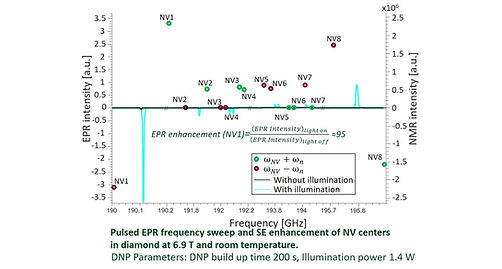
High field EPR and ¹³C DNP of NV centers in Diamond
Ayala Hecht, Eyal Laster , Alexander B. Fialkov, Nurit Manukovsky, Ilia Kaminker
School of Chemistry, Faculty of Exact Sciences, Tel-Aviv University, Tel-Aviv, Israel
Nitrogen-Vacancy (NV) centers are paramagnetic defects in diamonds that consist of a Nitrogen atom substituting for a Carbon atom, and a negatively charged vacancy adjacent to the substitution, forming an S=1 paramagnetic system. The uniqueness of NV centers stems from the coupling between their spin and optical properties combined with long coherence times at room temperature. Illuminating the diamond sample with green light preferentially populates the mₛ=0 state, resulting in a substantial increase in EPR signal intensity under green light illumination.
Dynamic Nuclear Polarization (DNP) is a signal enhancement technique in NMR spectroscopy that is based on polarization transfer from the electron spins to nuclear spins. Typically, the Boltzmann electron spin polarization sets the theoretical limit on DNP efficiency. Increasing electron spin polarization beyond the Boltzmann one allows for alleviating this limitation and transferring more polarization to the nuclei surrounding the electrons via established DNP mechanisms.
An improvement in resolution forces contemporary NMR spectroscopy to high magnetic fields hence the DNP experiments have to be performed at high fields as well. The NV centers are usually studied at low fields (up to 0.3 T). In this work we present pulsed EPR and DNP results on optically polarized NV centers at 7 T. Seeking to understand the dependence of ¹³C DNP efficiency on electron polarization, we examined the dependence of DNP enhancement on the NV center orientation with relation to the magnetic field. We discovered an unexpected asymmetric pattern in solid-effect efficiency in ¹³C DNP experiments performed with NV centers tilted relative to the magnetic field.
This work contributes to the development of diamonds as DNP polarizing agents, and demonstrates the importance of EPR data for the investigation of DNP.
Poster
Methyl-based protein 2D NMR enhanced by HyperW-based dissolution DNP
Korin Butbul¹, Alon Wenger², Dmitrii Aleshin¹, Robert Evans¹, Rina Rosenzweig², Lucio Frydman¹
¹ Department of Chemical and Biological Physics, Weizmann Institute of Science, Rehovot, Israel
² Department of Chemical and Structural Biology, Weizmann Institute of Science, Rehovot, Israel
DNP enhances NMR’s sensitivity by transferring polarization from unpaired electron spins, whose magnetic moment is approximately 660 times larger than that of a proton,under cryogenic conditions, upon microwave irradiation. preventing its use under physiological conditions. dDNP bypasses this handicap by first generating the hyperpolarization (HP) in the solid state at low temperatures and high magnetic fields; then rapidly melting, dissolving and transferring the ensuing sample to a liquid-state NMR spectrometer for immediate observation. It is only well suited for small molecules capable of sustaining the HP upon transfer, following the dissolution. Proteins and nucleic acids particularly large, folded ones will not benefit from such experiments, as their slow molecular tumblings lead to very short T₁ and negligible hyperpolarizations. We and others have shown that this can be alleviated using the “HyperW” approach, whereby water is first subject to dissolution DNP, and its hyperpolarized protons are then allowed to spontaneously exchange with protein amide or nucleic acid amine protons. While such chemical exchanges can then enhance 1D ¹H or 2D 1H-15N biomolecular acquisitions by orders of magnitude, very large biomolecules are not usually studied by any of these experiments. The methyl’s symmetry and rapid internal rotation, then makes ¹H-¹³C HMQC experiments probes that can tackle high-Mw systems of up to 1 MDa. The present study shows that also methyl-based protein HMQC experiments can be enhanced by HyperW NMR. Remarkably, we observe stronger HyperW-driven enhancements in structured and buried regions of proteins, despite their limited solvent accessibility, than in mobile and solvent exposed ones. We therefore hypothesize that HP is transferred from the water protons to backbone amide and other labile protons via chemical exchanges and then, aided by slow reorientations, transferred onward to methyl group protons through efficient NOE effects.

Poster
The Composition and Structure of the SEI on Na-Ion Anodes Revealed by Exo- and Endogenous Dynamic Nuclear Polarization - NMR Spectroscopy
Yuval Steinberg¹, Ayan Maity¹, Evan Summerwill Flitz², Raanan Carmieli³, Chunmei Ban² and Michal Leskes¹
¹Department of Molecular Chemistry and Materials Science, Weizmann Institute of Science, Rehovot, Israel
²Paul M Rady Department of Mechanical Engineering, University of Colorado Boulder, Boulder, CO 80309, USA
³Department of Chemical Research Support, Weizmann Institute of Science, Rehovot, Israel
The growing demand for large-scale energy storage requires rechargeable batteries that combine high energy density with low cost. Sodium-ion batteries (SIBs) are attractive candidates due to the low redox potential and natural abundance of sodium. During battery cycling, a nanoscale Solid Electrolyte Interphase (SEI) forms at the anode-electrolyte interface, which critically affects capacity retention and long-term performance[1]. Despite its importance, the SEI remains poorly characterized for SIB anodes due to its nanometric thickness and disordered nature, which limit the use of conventional techniques such as X-ray diffraction.
Solid-state nuclear magnetic resonance (ssNMR) is well-suited for probing SEI chemistry but suffers from low sensitivity. Here, we develop a Dynamic Nuclear Polarization (DNP)-enhanced ssNMR approach to study electrochemically formed SEI. By combining different polarization techniques, spatially resolved structural information across the SEI is obtained. Exogenous radical-based DNP selectively enhances signals from outer SEI regions, while Metal Ion DNP (MIDNP), achieved via incorporation of paramagnetic centers during synthesis, enables enhancement of the inner SEI[2,3].
This combined DNP strategy is demonstrated on SEI formed on lithium titanate anodes. The differential nature of the enhancements is analyzed in the context of spin diffusion and proximity to paramagnetic centers. Similar magnetic resonance approaches are applied across multiple electrolyte chemistries, enabling comparative insight into SEI composition and spatial organization. Together, these results clarify how electrolyte formulation influences SEI structure and chemistry in SIBs and demonstrate the effectiveness of magnetic resonance-based techniques for probing complex battery interphases.
[1] Peled, J. Electrochem. Soc., 1979
[2] Haber et al., J. Am. Chem. Soc., 2021
[3] Steinberg et al., J. Am. Chem. Soc., 2024
Poster
Quantifying Chemical and Physical Weathering in Carbonate Rocks
Idan Karev, Daphna Shimon
Institute of Chemistry, The Hebrew University of Jerusalem, Jerusalem, Israel
The degradation of carbonate rocks due to environmental exposure involves complex interactions between physical disintegration and chemical alterations. This study utilizes Electron Paramagnetic Resonance (EPR) spectroscopy to characterize and quantify the structural and compositional changes occurring in three distinct limestone varieties Solnhofen, Bina, and Dolomite subjected to accelerated ageing processes.
A primary focus was directed toward the Bina limestone, where spatial heterogeneity was investigated by comparing sites with visible hematite (Fe₂O₃) against macroscopically hematite free regions. EPR spectra were recorded for all samples in their pristine and aged states to track the evolution of paramagnetic centers, particularly focusing on the transition metal ions ( Mn⁺², Fe⁺² and Fe⁺³).
Unlike published material in the subject, spectral analysis was performed using the EasySpin toolbox in MATLAB. This research demonstrates that EPR, serves as a highly sensitive tool for monitoring the "magnetic fingerprint" of stone decay, providing a quantitative metric for the durability of geological materials in heritage and construction contexts.
Talk
Unraveling Chemical Exchanges Through Steady State Free Precession NMR
Sundaresan Jayanthi, Adonis Lupulescu, Zuzana Osifová, Mark Shif and Lucio Frydman
Department of Chemical and Biological Physics, Weizmann Institute of Science, Rehovot, Israel
NMR line shapes are uniquely endowed to analyze dynamics. Further insight arises from experiments like Chemical Exchange Saturation Transfer[1] and multi-pulse relaxation dispersion[2]. The first provides detailed information about slowly exchanging partners, including their number, their chemical shifts and populations; the latter provides –when information about the number of interconverting sites, populations and chemical shifts are known– detailed rate information. The present study demonstrates that Steady State Free Precession (SSFP) experiments involving a train of pulses spaced by repetition times TR,[3] combine the best of the aforementioned methods’. In the presence of chemical exchange, SSFP can provide, via its TR dependence, precise kinetic information over a variety of slow/intermediate/fast exchange processes. This happens thanks to the unique nature of SSFP NMR, whose response includes both a high sensitivity to NMR chemical shifts,[4] as well as a steep dependence on the ratio between TR and decohering (T2, exchange rate kex) processes. It is shown that SSFP response is drastically altered by chemical exchange, with a sensitivity that allows one to pinpoint exchange parameters, chemical shifts and populations (Figure 1). Experimental verification and an accurate least-squares numerical fitting providing all these parameters will be presented. Pseudo-3D variants of the experiment to probe ‘invisible states’ in proteins and nucleic acids, will also be discussed.
Acknowledgements: This work was supported by ISF grant 1874/22 and ERC Advanced Grant 101200719 “SteadyNMR”. ZO is grateful to the Azrieli Foundation for postdoctoral fellowships.
1. Zhou, J, et. al., Prog. Nucl. Magn. Reson. Spectrosc. 48, 109, 2006.
2. Hansen, A. F., et. al. JPC-B. 112: 5898,2008a.
3. Carr, H. Y., Phys. Rev. 112, 1693,1958.
4. Shif, M., Zur, Y., Lupulescu, A., He, T., Montrazi, T. E., Frydman, L., Nat Commun 16, 5745, 2025.

Poster
Can neural network outperform classic MP-PCA image denoising: application on high resolution multi-echo spin-echo MRI data?
Or Ezra¹, Emir Haleva², Roee Versano², Tal Tsarfaty², Noa Tal², Noam Ben-Eliezer² ³ ⁴
¹ School of Electrical Engineering, Faculty of Engineering, Tel Aviv University, Tel Aviv, Israel
² School of Biomedical Engineering, Faculty of Engineering, Tel-Aviv University, Tel-Aviv, Israel
³ Sagol School of Neuroscience, Tel-Aviv University, Tel-Aviv, Israel
⁴ Center for Advanced Imaging Innovation and Research (CAI2R), New-York University Langone Medical Center, New York, NY, United States
Early MRI diagnosis is fundamentally limited by Signal-to-Noise Ratio (SNR). While Marchenko-Pastur PCA (MP-PCA) provides robust denoising for complex data, its performance degrades significantly on standard magnitude-only DICOM images. Combined with high computational intensity, MP-PCA's utility is thus limited in clinical routine where scanners typically discard crucial phase information. Here, we introduce a specialized Deep Learning (DL) architecture optimized for DICOM-only data. By using complex MP-PCA denoising as ground truth, our model surpassed the training baseline in both noise suppression and anatomical preservation. This approach provides a high-fidelity, computationally efficient solution for enhancing image quality in clinical pipelines.
Data were collected from 44 subjects (154 scans, ~60,000 images) on a 3T SIEMENS scanner using a standard multi-spin-echo protocol (voxel size=1.1x1.1x3 mm3). Raw complex images were extracted for MP-PCA denoising to establish high-SNR ground truth. A dedicated architecture was trained on DICOM images using backpropagation against the reference. Performance was evaluated against the noisy input and the ground truth.
The DL model effectively removed noise while preserving all anatomical details. It outperformed the MP-PCA baseline, indicating an ability to capture higher-order spatial correlations. This was particularly evident in high-resolution regions, where edge preservation was superior to the statistical filter.
A DL network learned magnitude noise statistics more effectively than classical methods. By architecting specifically for high-frequency detail preservation in the magnitude domain, this framework offers high-fidelity, clinically accessible denoising tool for routine MRI workflows.
1. doi:10.1002/nbm.4807
2. doi:10.1016/j.bspc.2020.102405

Poster
Understanding the effect of LATP in polymer Electrolytes in all-solid-state Lithium batteries using Nuclear Magnetic Resonance
Ido Rozen, Sowmya Subramanian, Ortal Breuer, Miryam Fayena-Greenstein, Doron Aurbach, Gil Goobes
Department of Chemistry, Faculty of Exact Sciences, Bar-Ilan University, Ramat-Gan, Israel
The next generation high-capacity lithium batteries are foreseen to comprise of Li metal anode and solid electrolyte designed to quench dendrite formation and improve safety against thermal runaway. One of the approaches researched today to improve the performance of solid electrolytes for Li batteries is the use of composite solid polymer electrolytes (SPE). While those types of electrolytes were studied extensively, the effect of the inorganic additives on the polymer structure and dynamics and on lithium mobility through the polymer matrix remains unclear. Here, composite SPEs based on polyethylene oxide (PEO) containing Lithium Aluminum Titanium Phosphate (LATP) ceramic additive in symmetric cells were studied using extensive electrochemical analysis under alternating current conditions over time and at various DC voltage steps. The impedance shows improved electrochemical stability and performance[1]. Pre-operation and post-mortem characterization of the SPEs were performed using MAS NMR. EIS and MAS NMR data indicate that LATP ceramic addition mitigates reactions at the electrode-electrolyte interface. To date, most studies were conducted on SPEs at lower temperatures due to the high adhesion of the SPE to the Li metal electrode[2]. We employ a simple separation method using N2(g) atmosphere in order to successfully isolate the solid electrolyte from the reactive metal anode[3].
Using multi nuclear MAS NMR measurements, we study the various aspects of Li ion incorporation and migration in the composite and interfacial characteristics between the LATP and the PEO matrix in pristine and cycled cells.
(1) Breuer, O.; Peta, G.; Elias, Y.; Alon-Yehezkel, H.; Weng, Y.-T.; Fayena-Greenstein, M.; Wu, N.-L.; Levi, M. D.; Aurbach, D. Understanding the Positive Effect of LATP in Polymer Electrolytes in All-Solid-State Lithium Batteries. 170 (9), 090509.
Poster
Development of metal-ion dynamic nuclear polarization NMR tool for non-invasive characterization of supported organometallic catalysts
Ilia Moroz and Michal Leskes
Department of Molecular Chemistry and Materials Science, Weizmann Institute of Science, Rehovot, Israel
Surface organometallic chemistry (SOMC) is an approach that applies organometallic chemistry principles to solid surfaces to create well-defined supported catalysts, combining the advantages of both homogeneous and heterogeneous catalysis [1]. Although solid-state NMR spectroscopy is a powerful technique to study SOMC-made catalytic sites, their small quantity coupled with low inherent sensitivity of NMR make conventional NMR measurements impractical.
Dynamic Nuclear Polarization can significantly enhance NMR signals by transferring polarization of unpaired electrons to nuclear spins upon microwave irradiation [2]. Typically, the unpaired electrons are introduced by impregnating materials with a solution of organic radicals. Despite its effectiveness, this approach might not be suitable for catalytic surfaces: organic radicals can decompose and alter the material.
In our group we develop an alternative approach, metal-ion DNP (MIDNP), where materials are doped with a minute quantity of paramagnetic metal ions [3]. This strategy avoids possible interactions between the PA and the surface sites and, therefore, would be a great alternative for characterizing SOMC-made systems. Here I will present our preliminary results for a model SOMC system, synthesized by grafting (tBuO)3SiOH on nanosized TiO2 that was doped with Fe(III) ions for MIDNP. These Fe(III) ions efficiently enhance the signal of surface species (εon/off up to 13), as has been demonstrated by coating Fe-TiO2 with (Li,Si)-layers via sol-gel chemistry. Nevertheless, for grafted (tBuO)3SiOH molecules, a modest enhancement of up to 2 times was observed. I will discuss what could be the reason for the modest performance and suggest how we could possibly improve MIDNP for these materials.
1 C. Copéret et al. Chem. Rev. 116, 323-421 (2016)
2 W.-C. Liao et al. Curr. Opin. Colloid Interface Sci. 33, 63-71 (2018)
3 D. Jardón-Álvarez, M. Leskes. Prog. Nucl. Magn. Reson. Spectrosc. 138-139, 70-104 (2023)

Poster
The Odd One Out: Altering a Non-Binding JDP to a Fully Functional Co-Chaperone
Shir Prince, Roni Suhler and Rina Rosenzweig
Department of Chemical and Structural Biology, Weizmann Institute of Science
Molecular chaperones are essential regulators of proteome homeostasis, executing key functions such as protein folding, translocation and aggregation prevention. Within this network, the J-domain protein (JDP/Hsp40 ) family plays a critical role as co-chaperones of the Hsp70 system. JDPs typically initiate client protein recognition and stimulate the ATPase activity of Hsp70, thereby facilitating client transfer and promoting Hsp70-dependent (re)folding . The human JDP family comprises 50 members, varying in their structure and domain composition, but all share a conserved J-domain containing the characteristic HPD motif that is responsible for interaction with Hsp70. Remarkably, only one JDP family member, DNAJB13, has a single point mutation within this motif, creating an HPL substitution, and it is unknown whether it possess any chaperone activity.
By employing NMR spectroscopy, we have structurally characterized, for the first time, the J-domain of DNAJB13 and found that its structure remains conserved despite the mutation. Complementary biochemistry assays, however, revealed that DNAJB13 lacks the conserved ability of all JDP members to activate the Hsp70 chaperone. This raises important questions about the evolutionary divergence, functional consequences, and biological significance of this mutation.
A comprehensive understanding of the mutation’s impact may reveal the protein’s specific role and context within the chaperone family. More broadly, it may also shed new light on the history and evolution trajectory of the entire JDP family.
Poster
Multi-Metabolite Deep CEST MRI in Multiple Sclerosis In Vivo
Ruth Ben Chaim, Or Perlman, Michal Rivlin
Sagol School of Neuroscience, Tel-Aviv University, Tel-Aviv, Israel
Multiple sclerosis (MS) is characterized by immune-mediated demyelination and axonal neurodegeneration. While conventional MRI offers lesion detection, it lacks specificity for the underlying biochemical changes. Chemical exchange saturation transfer (CEST) may detect semi-solid MT macromolecular protons associated with myelin, while relayed nuclear Overhauser effect (rNOE) signals at -3.5 ppm and -1.6 ppm probe aliphatic protons and mobile macromolecules, respectively. However, simultaneous quantification of these overlapping exchanging pools is challenging. Here, we developed an AI-boosted CEST MR fingerprinting (CEST-MRF) approach for the rapid quantification of the semi-solid MT and rNOE proton exchange parameters and validated it in a cuprizone mouse model.
Demyelination was induced in C57BL/6J male mice (n=12) via a 7-week cuprizone diet, followed by a 5-week recovery. Longitudinal 7T MRI was performed at baseline and weeks 4, 7, and 12. Three sequential CEST-MRF protocols were used for encoding the semi-solid MT, rNOE(-3.5), and rNOE(-1.6) information into unique signal trajectories . A dictionary of 20 million synthetic signals was used for training a serial deep neural network pipeline for quantifying the proton volume fraction (f) and exchange rate (k) of each pool.
In the corpus callosum, the semi-solid MT pool f exhibited a significant decrease during the demyelination phase (Week 0 vs. 4: p=0.0001; Week 0 vs. 7: p<0.0001). Following treatment cessation, f showed significant recovery (Week 7 vs. 12: p=0.0121). Similarly, the rNOE(-3.5) f declined significantly during demyelination (Week 0 vs. 4: p=0.0118; Week 0 vs. 7: p=0.023). A comparable significant decrease was observed for rNOE(-1.6) f (Week 0 vs. 4: p=0.0003; Week 0 vs. 7: p=0.0008).
We developed a rapid and quantitative deep learning-based CEST-MRF framework capable of isolating and quantifying specific MS-related biomarkers in vivo.
Poster
Tracking the Electrochemical Lithiation of Aluminum Anodes by X-ray Diffraction and Solid State NMR Spectroscopy
Natalia Gloriozova, Ayan Maity, Michal Leskes
Department of Molecular Chemistry and Materials Science, Weizmann Institute of Science, Rehovot, Israel
As the demand for effective energy storage devices is growing, efforts to develop high-capacity anode materials as an alternative to graphite are ongoing. One of the promising candidates is aluminum, which can react with lithium at low potentials, forming four distinct intermetallic phases: LiAl, Li₃Al₂, Li₂Al, Li₉Al₄. Aluminum is particularly attractive as an anode material due to its high theoretical capacity (with capacities ranging from 993 for LiAl to 2230 mAhg⁻¹ for Li₉Al₄), low operating potential, high abundance and low cost, and effective suppression of dendrite growth. However, it suffers from poor cycling performance. Although considerable progress has been made in the past decade, the reversibility and degradation mechanisms of Li-rich phases, as well as the interfacial reactions occurring during cycling, remain unclear.
In this work, we present a comprehensive study of the full phase transitions in Al anodes during electrochemical cycling, investigated by X-ray diffraction and solid-state NMR spectroscopy. One-dimensional ⁷Li and ²⁷Al solid-state NMR measurements are used to track phase transitions during lithiation, providing direct insight into the formation and transformation of Li–Al intermetallic phases. In addition, spin-diffusion experiments are employed to confirm resonance assignments in multiphase samples by probing magnetization transfer between spatially proximate lithium sites. The combination of “classical” structural methods with nondestructive NMR techniques provides a detailed view of the lithiation–delithiation pathways, local environments and interfacial reactions, offering new insights into the origins of poor cycling performance. Such insight can be used to improve the performance of metal-based anodes. This can in turn contribute to the broader development of novel metal-based alternatives to conventional carbon-based anodes for next-generation lithium-ion batteries.
Poster
Quantitative Characterization and Immunotherapy Response Assessment in Pediatric Tumors Using Molecular CEST MRI
Ron Moneta¹ʼ², Alex Finkelstein¹, Or Zohar³, Michal Rivlin¹, Dinorah Friedmann-Morvinski²ʼ³, Or Perlman¹ʼ²
¹ School of Biomedical Engineering, Faculty of engineering, Tel Aviv University, Tel Aviv, Israel.
² Sagol School of Neuroscience, Tel-Aviv University, Tel-Aviv, Israel.
³ School of Neurobiology, Biochemistry & Biophysics, Faculty of Life Sciences, Tel-Aviv University, Tel-Aviv, Israel
Brain tumors remain the leading cause of cancer-related mortality in children. CAR T cells recently sparked hope as a potential therapeutic avenue. However, subject-specific optimization necessitates the noninvasive monitoring of treatment response. As conventional MRI primarily detects late structural changes in tumor volume, it cannot reliably distinguish treatment response from progression. Chemical exchange saturation transfer (CEST) MRI is an emerging imaging technique capable of providing molecular tissue biomarkers that precede anatomical changes. Here, we developed a physics-driven AI CEST framework to derive quantitative biomarkers for early detection and assessment of immunotherapy response in a pediatric tumor mouse model. CEST MRI data were acquired longitudinally in immunotherapy treated tumor-bearing mice (n=29, 48% control). Each scan took 4 minutes. Quantitative biomarker maps for intracellular pH, mobile protein and semisolid macromolecules concentration were extracted using mathematical tissue models and a self-supervised variational autoencoder (inference time= 3 minutes). The resulting biomarkers were compared to survival rates, conventional tumor volume estimates and immunohistochemistry (IHC). All CEST-derived parameter maps yielded a clear delineation of the tumor regions and demonstrated statistically significant separation from healthy tissue (p<0.01). A decreased amide proton volume fraction was observed in the tumor, consistent with the substantial edema shown in the anatomical images. A statistically significant decrease in the amide proton exchange rate was observed in the tumor by week 2 in the treated mice, yet not in the control mice (p ≤ 0.0001), in agreement with the necrosis observed by IHC. Amide proton exchange rates were also correlated with survival rates. In conclusion, a rapid and quantitative molecular MRI method was developed, capable of detecting the tissue cell death associated with immunotherapy treatment response.
Poster
The transcription mechanism of P. aerguinosa CueR
Ameer Yasin, Alysia Mandato, Lukas Hofmann, Yasmin Igbaria-Jaber, Yulia Shenberger, Lada Gevorkyan-Airapetov, Sunil Saxena, and Sharon Ruthstein
Department of Chemistry, Faculty of Exact Sciences, Bar-Ilan University, Ramat Gan, Israel
Copper-responsive transcription factors are essential for bacterial metal homeostasis and virulence, with CueR being a key regulator in Gram-negative pathogens. In Pseudomonas aeruginosa, CueR (PACueR) controls a broader regulon than its E. coli homolog, including genes involved in copper detoxification and multidrug efflux. This study integrates electron paramagnetic resonance (EPR) approaches to elucidate the biophysical mechanisms underlying promoter-specific transcriptional activation by PACueR. We showed that PACueR exhibits distinct dynamic responses upon copper and DNA binding, showing higher sensitivity to promoter recognition and reduced overall mobility compared to E. coli CueR. Moreover, higher sensitivity were found to the higher affinity copZ2 promoter versus the lower-affinity mexPQ-opmE promoter. This work underscores the utility of EPR spectroscopy in studying metalloregulatory mechanisms and provides molecular insights into how P. aeruginosa adapts to copper stress.
Poster
NMR-Challenge.com: Shape Your Skills in NMR Assignment
Zuzana Osifová¹ʼ², Ondřej Socha¹, Martin Dračínský¹
¹Institute of Organic Chemistry and Biochemistry, Czech Academy of Sciences, Prague, Czech Republic
²Department of Chemical and Biological Physics, Weizmann Institute of Science, Rehovot, Israel
NMR spectral interpretation is a part of the core knowledge of all chemistry students taught from the first years of their undergraduate studies. Although spectral interpretation can be learned only by experience, the number of accessible spectral tasks is limited.
NMR-Challenge.com is an educational NMR website that includes 200 spectral assignments of real samples.[1] Each assignment contains NMR spectra of an unknown compound, and the students are to determine its structure. Basic assignments contain only one-dimensional ¹H and ¹³C NMR spectra; advanced assignments offer two-dimensional spectra. The web application is enhanced with an interactive chemical structure-drawing tool that provides users with immediate feedback on their proposed structures.
Since its introduction in April 2022, NMR-Challenge.com has received 2,000,000 submissions, making it the most robust dataset of students' responses in the field. The enormous number of (mainly) students’ responses enabled us to observe the current state of NMR knowledge from a new perspective. We identified patterns in the most common mistakes across submissions, which may inform the design of teaching strategies. We analyzed three case studies discussing the most abundant spectral misinterpretations.[2]
We introduce the site’s new feature – NMR-Quiz. This educational tool covers fifteen core topics in NMR spectroscopy, including structure determination, signal assignment, chemical exchange, and the general theory underlying NMR. The questions are organized by topic, enabling students to focus on their interests or needs. Users select from the four displayed options and receive an immediate response indicating whether their choice is correct. They can track the success rate across the topics.
[1] Socha, O.; Osifová, Z.; Dračínský, M., J. Chem. Educ. 2023, 100, 962-968.
[2] Osifová, Z.; Socha, O.; Dračínský, M., J. Chem. Educ. 2024, 101, 2561-2569.

Poster
Solid Electrolyte Interphase Characterization in Niobium Oxide Anodes by Sensitivity-Enhanced Solid-State NMR
Noy Stein Chneider, Ayan Maity, Yuval Steinberg, and Michal Leskes
Department of Molecular Chemistry and Materials Science, Weizmann Institute of Science, Rehovot, Israel
The growing demand for high-energy-density and fast-charging materials for large-scale energy storage has driven the search for alternative anode materials that combine high capacity, rate capability, and stability. Niobium oxide based materials have attracted attention as anodes for both lithium-ion batteries (LIBs) and sodium-ion batteries (SIBs), owing to their potential for fast-charging and high-power applications. A key factor in battery performance is the solid electrolyte interphase (SEI), which forms during cycling and plays a crucial role in stability and capacity retention. In this study, we aim to develop Nb₂O₅ as a high-energy anode material and to investigate the composition and structure of the SEI formed on Nb₂O₅-based electrodes. To achieve this, solid-state nuclear magnetic resonance (ssNMR) spectroscopy is used with signal enhancement provided by exogenous and endogenous dynamic nuclear polarization (DNP). In DNP, the high polarization of electron spins introduced into the sample is transferred to nearby nuclear spins (from a few angstroms to nanometers). Using external and internal polarization sources, we can selectively probe the outer and inner SEI layers. This combination enables detailed characterization and mapping of the SEI. Preliminary ssNMR and DNP-enhanced ssNMR experiments on niobium oxide anodes reveal distinct SEI compositions in LIB and SIB systems. For H-Nb₂O₅ in LIBs, species such as LiF, LiOH, CFx, C=C, O–CH₂CH₃, and carbonate compounds were identified. In T-Nb₂O₅ SIBs, we observed electrolyte-decomposition products along with organic structures containing Na, NaF, and bicarbonate species. These findings, together with further DNP-enhanced ssNMR characterization, will provide a compositional and structural understanding of the SEI layer, with the long-term goal of controlling its formation.
BOOK OF ABSTRACTS